Exploring how tourism reshapes
traditions, worldviews, and the environment.
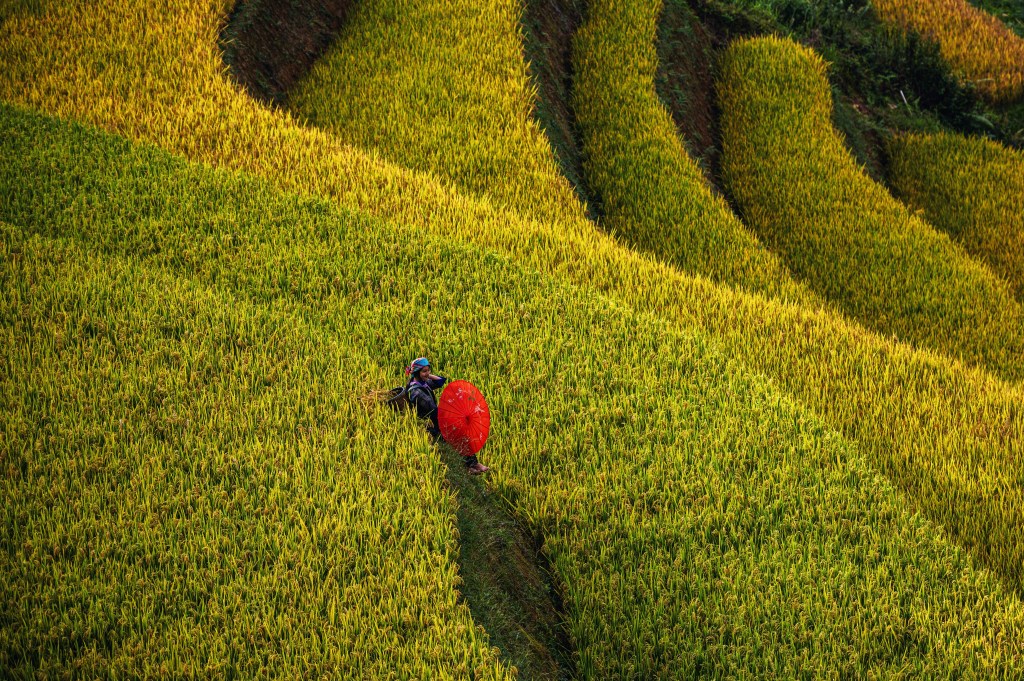
Across the mountains and valleys of northern Vietnam, communities such as the Hmong, Dao, Mường, Giáy and Tày have lived for centuries with traditions, beliefs, and practices deeply rooted in their environments. These ways of life carry unique knowledge systems — from animist worldviews that value the agency of all things, to intricate understandings of medicinal plants — that enrich cultural and environmental diversity.
Today, however, these narratives are shifting. Outdoor tourism has grown rapidly in Vietnam, bringing new opportunities for livelihoods but also new pressures. Trekking tours, adventure travel, and the promise of “authentic” cultural experiences attract visitors from around the world. For ethnic minority groups, this can mean income and empowerment — young Hmong women, for example, have become skilled trekking guides in Sa Pa. But it can also mean stereotypes, gendered expectations, and the risk of traditions being commodified or lost.
Our project, “Outdoor Tourism and the Changing Cultural Narratives in Vietnamese Ethnic Minority Communities,” asks a simple but vital question: what happens when cultures meet under the gaze of tourism? We explore how worldviews, stories, and everyday practices are being reshaped by outdoor tourism, and how diverse perspectives — Western, Vietnamese, Hmong, Dao, Giay, and Muong — can come together to build more equitable cultural and environmental relations.
Through participatory action research and narrative-photovoice montage, we work directly with community members, equipping them with Polaroid cameras to tell their own stories. Rather than studying communities from the outside, we collaborate with them to co-create knowledge that reflects their voices, experiences, and aspirations.
At its heart, this project is about listening — to stories told through words and images, to histories carried in landscapes, and to the wisdom of ways of knowing that risk being silenced. By sharing these stories locally, nationally, and internationally, we aim to inspire more sustainable forms of tourism, foster cultural resilience, and strengthen the bridges between different worldviews.
 Vietnam Outdoor Tourism Research